Published August 2025 • 15–20 min read
Why Do Some Kids Need Speech Therapy? A Comprehensive Guide for Parents
Communication is one of the most fundamental human skills, allowing us to connect, learn, and navigate the world. For most children, speech and language develop naturally, but for others, the path can be more challenging. Speech-language therapy is a specialized field dedicated to helping these children unlock their communicative potential. This guide will explore the many reasons a child might benefit from speech therapy and demystify what modern, evidence-based therapy looks like.
A Speech-Language Pathologist (SLP) does far more than just correct lisps. The scope of practice is vast, covering everything from the mechanics of producing speech sounds to the complex social rules of conversation. According to the American Speech-Language-Hearing Association (ASHA), approximately 1 in 12 children in the U.S. has a disorder related to speech, voice, language, or swallowing.
Key Areas Addressed in Speech Therapy
A referral for speech therapy can be made for a wide variety of reasons. Here are some of the most common areas an SLP will address:
1. Articulation and Phonological Disorders (Speech Sound Disorders)
- What it is: This is what most people traditionally think of as "speech therapy." An articulation disorder involves difficulty producing specific speech sounds (e.g., saying "wabbit" for "rabbit"). A phonological disorder involves a pattern of sound errors (e.g., leaving off the final consonants of all words).
- Why it matters: Unclear speech can make it difficult for a child to be understood, leading to frustration and social withdrawal.
- What therapy looks like: Therapy may involve teaching the correct placement of the tongue and lips, auditory discrimination (learning to hear the difference between sounds), and practicing the sound in increasingly complex contexts (from syllables to conversation).
2. Receptive and Expressive Language Disorders
- What it is: A receptive language disorder is difficulty understanding what is said. A child might struggle to follow directions, answer questions, or understand vocabulary and grammar. An expressive language disorder is difficulty conveying a message. A child might have a limited vocabulary, use short or grammatically incorrect sentences, or struggle to tell a coherent story.
- Why it matters: Language is the foundation of learning and social interaction. Difficulties in this area can impact a child's ability to succeed in school and form friendships.
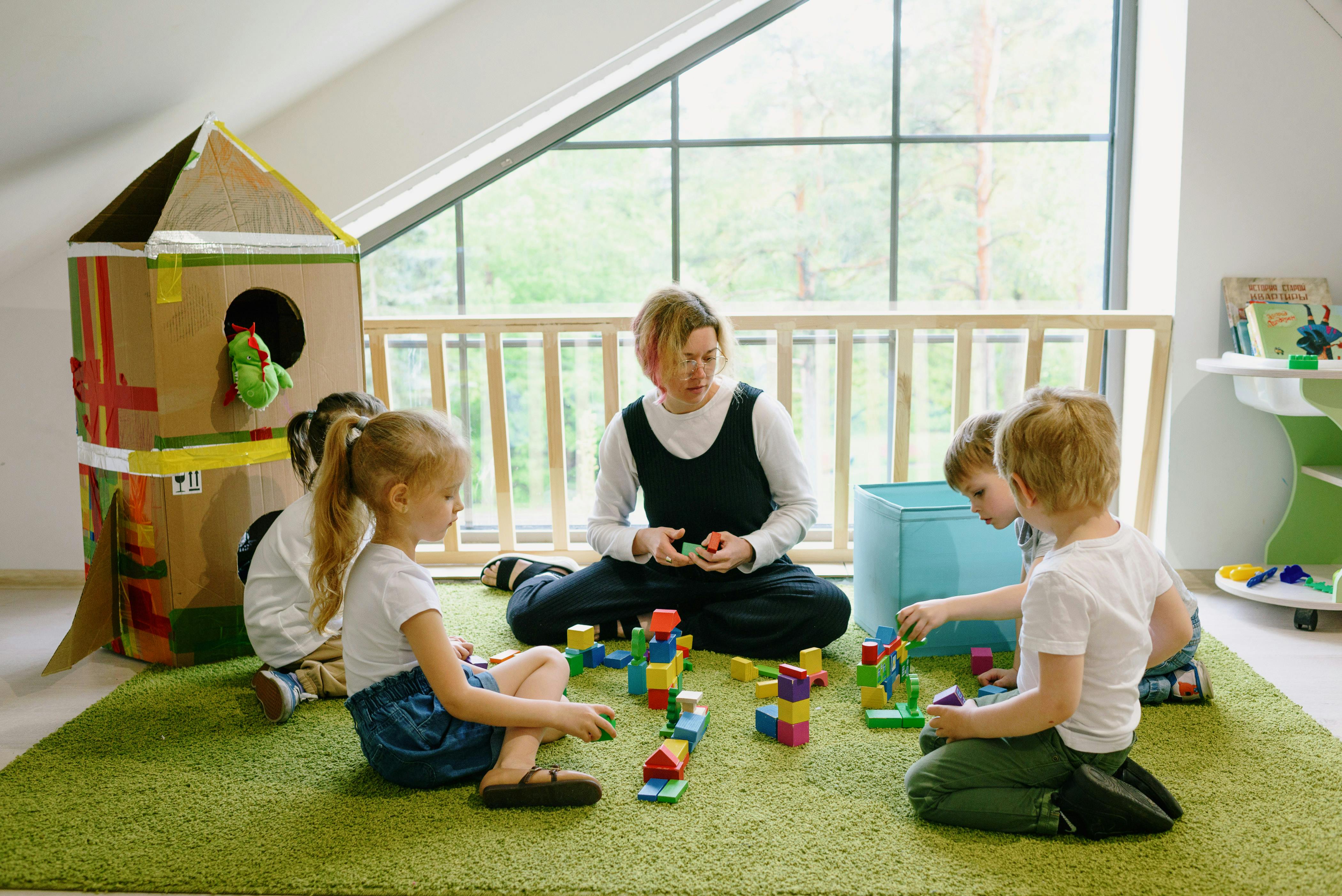
- What therapy looks like: Therapy is often play-based and involves modeling and practicing language targets in meaningful contexts. An SLP might use books, games, and structured activities to build vocabulary, improve sentence structure, and enhance comprehension.
3. Social (Pragmatic) Communication Disorder
- What it is: This involves difficulty with the social use of language. A child might struggle with taking turns in conversation, understanding non-literal language (like jokes or sarcasm), making eye contact, or using appropriate greetings. This is a core feature of Autism Spectrum Disorder but can also occur on its own.
- Why it matters: Social communication skills are essential for building and maintaining relationships.
- What therapy looks like: Therapy often occurs in a group setting to provide natural practice opportunities. SLPs may use role-playing, video modeling, and Social Stories™ to teach and practice social skills.
4. Fluency Disorders (Stuttering)
- What it is: Stuttering is a disruption in the flow of speech, characterized by repetitions (li-li-like this), prolongations (lllllike this), or blocks (no sound comes out).
- Why it matters: Stuttering can have a significant impact on a child's confidence and willingness to communicate.
- What therapy looks like: For young children, therapy often focuses on creating a positive communication environment and teaching parents strategies to support fluency. For older children, it may involve directly teaching strategies to manage stuttering moments and addressing the emotional components of stuttering.
5. Augmentative and Alternative Communication (AAC)
- What it is: For individuals who are non-speaking or whose speech is severely unintelligible, AAC provides another way to communicate. This can range from low-tech options like picture boards to high-tech speech-generating devices.
- Why it matters: Communication is a human right. AAC ensures that every individual has a voice.
- What therapy looks like: An SLP will conduct an assessment to determine the most appropriate AAC system for an individual. Therapy then focuses on teaching the individual how to use the system and coaching communication partners (family, teachers) on how to support its use.
When to Seek an Evaluation
Trust your instincts. While every child develops at their own pace, there are general milestones to be aware of. You should consider a speech and language evaluation if your child:
- Is not babbling by 9 months.
- Is not using gestures (like waving or pointing) by 12 months.
- Is not using single words by 16 months.
- Is not using two-word phrases by 24 months.
- Is difficult for familiar listeners to understand after age 3.
- Is experiencing significant frustration or distress related to communication.
Speech therapy is a collaborative process between the therapist, the child, and the family. By identifying challenges early and providing evidence-based support, we can help children build the communication skills they need to thrive. If you have concerns about your child's development, contact Aspire Spectrum to schedule a consultation.